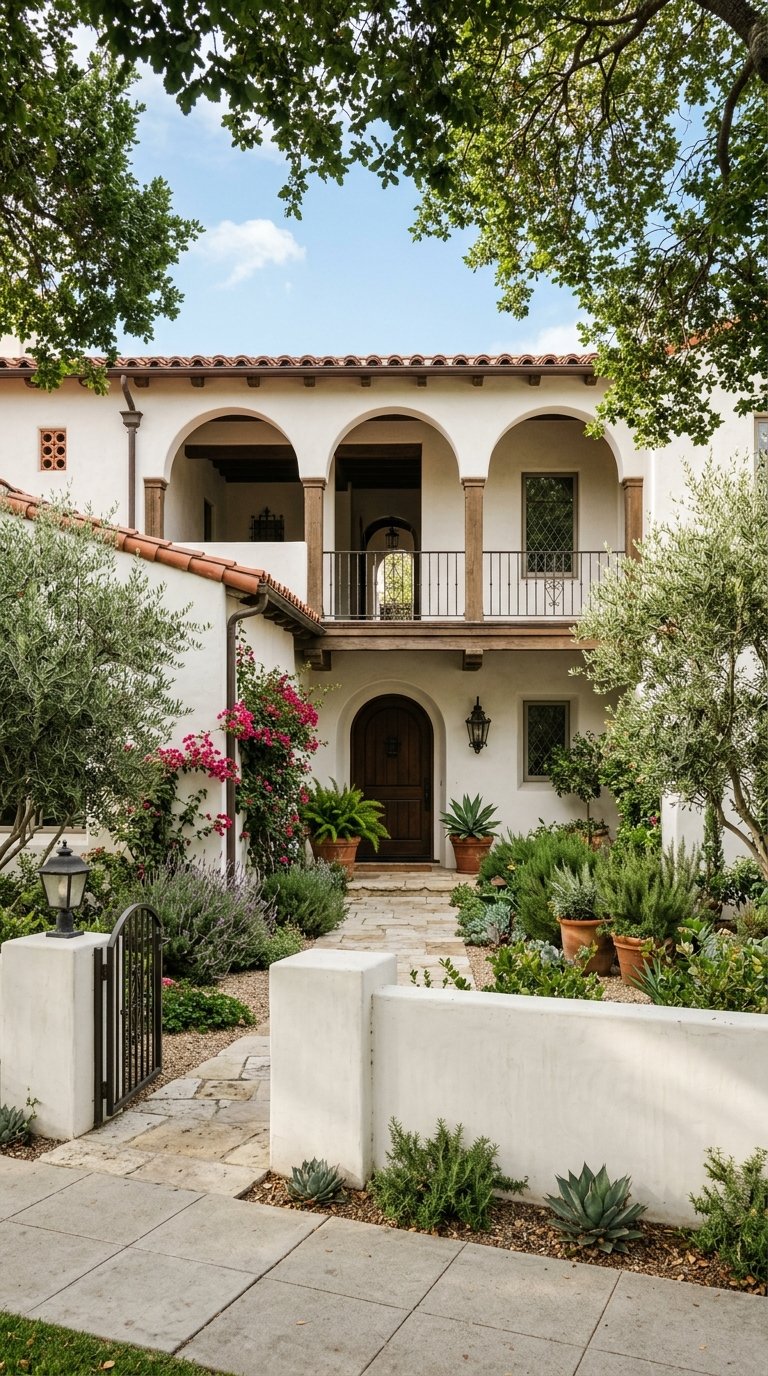
If you are thinking about Glendale, one question matters fast: what does daily life actually feel like from one neighborhood to the next? That is important here because Glendale’s core is not one-note. You have a walkable downtown, quieter hillside pockets, historic districts, and park-centered residential areas, all within one compact city. This guide will help you understand how the city is laid out, what the main neighborhoods feel like, and what kinds of homes you are likely to find. Let’s dive in.
Glendale’s Core at a Glance
Glendale covers about 30.6 square miles and includes 34 neighborhoods, but the city’s planning framework makes it clear that the core is a mix of downtown, corridor, and hillside environments. In other words, living in Glendale’s center can mean very different things depending on where you land.
That variety is part of the appeal. Downtown Glendale is planned as an 18-hour urban center with shopping, dining, housing, entertainment, and cultural uses within walking distance. At the same time, nearby residential areas range from high-density apartments and condos near downtown to lower-density hillside homes farther out.
Location is another major draw. Glendale sits minutes from Downtown Los Angeles, Pasadena, Burbank, Hollywood, and Universal City, with access to I-5, SR-2, SR-134, and SR-210. The city also operates Beeline bus service with 13 routes, which adds another layer of day-to-day convenience.
Downtown Glendale Living
If you want the most walkable, active version of Glendale life, downtown is the center of it. Brand Boulevard is the city’s main downtown spine, with a concentration of restaurants, shopping, and newer apartment living.
The Arts & Entertainment District adds even more activity to the area. Centered on Maryland Avenue between Wilson and Harvard, it is anchored by the Alex Theatre and the Central Library, with retail developments and public parking nearby.
This part of Glendale tends to suit buyers and renters who want daily errands, dining, and entertainment close at hand. It still functions within a very car-aware Southern California setting, but the city’s downtown planning puts strong emphasis on pedestrian amenities, parking management, and transit-priority streets.
Parking helps shape the rhythm of downtown life too. Most downtown streets are priced at $2 per hour, while Brand Boulevard is $3 per hour, which reflects a more urban environment than many nearby suburban areas.
Everyday Amenities Shape the Feel
One reason Glendale’s core appeals to so many people is that the city mixes urban convenience with strong cultural and outdoor anchors. You are not choosing between restaurants and green space here. In many parts of the city, you get both within a short drive.
On the arts side, Glendale offers a surprisingly rich lineup for a city of its size. The Alex Theatre, Antaeus Theatre Company, Glendale Centre Theatre, and Laemmle all contribute to the day-to-day cultural landscape, while Brand Library & Art Center adds visual arts and music programming in a different setting.
On the outdoor side, Brand Park and Verdugo Park stand out. Brand Park offers 31 acres with trails, picnic areas, a playground, a seasonal wading pool, and the Brand Library complex at the base of the Verdugo Mountains. Verdugo Park spans 38.18 acres and includes playgrounds, picnic tables, sports courts, and a community garden.
Smaller spaces also matter, especially in denser sections of the city. Adams Square Mini Park adds green space in Adams Hill, and historic sites like the Catalina Verdugo Adobe give certain neighborhoods a deeper sense of place.
City Center and Citrus Grove
City Center and nearby Citrus Grove feel the most connected to Glendale’s downtown energy. Housing in this part of the core leans toward apartments, condominiums, and other higher-density residential options, which fits the city’s planning vision for the downtown area.
From a price perspective, recent market snapshots place City Center around a $739,000 median listing price and Citrus Grove around $792,000. Reported rents are roughly in the $2,600 to $3,000 range.
For many buyers, this area is about convenience first. You are closer to Brand Boulevard, dining, shopping, and cultural venues, and the overall lifestyle is more urban than in Glendale’s hillside neighborhoods.
Adams Hill
Adams Hill offers a very different feel from downtown, even though it is still part of Glendale’s core story. The neighborhood is predominantly single-family residential, with some moderate-density apartments and condos along Palmer Avenue.
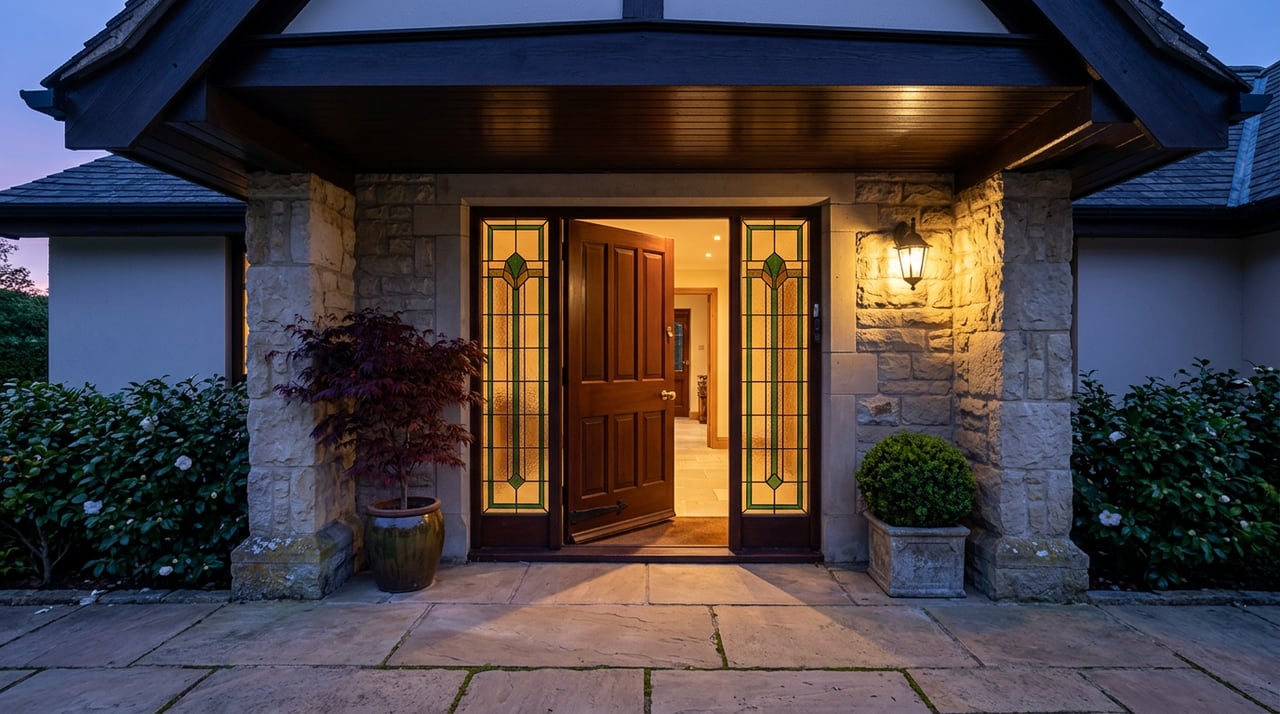
The city describes much of Adams Hill’s housing stock as dating to the first half of the 20th century, and that age shows up in the neighborhood’s eclectic architectural mix. Nearby Cottage Grove is especially useful as a style reference, with Tudor Revival and some Spanish Colonial Revival homes noted by the city.
Current market snapshots show Adams Hill around a $1.195 million median listing price. For buyers, the appeal often comes down to character, a more residential setting, and a stronger separation from the downtown pace.
Rossmoyne
Rossmoyne is one of Glendale’s best-known historic residential areas. It is the city’s largest historic district, with 503 homes arranged along gently curving streets.
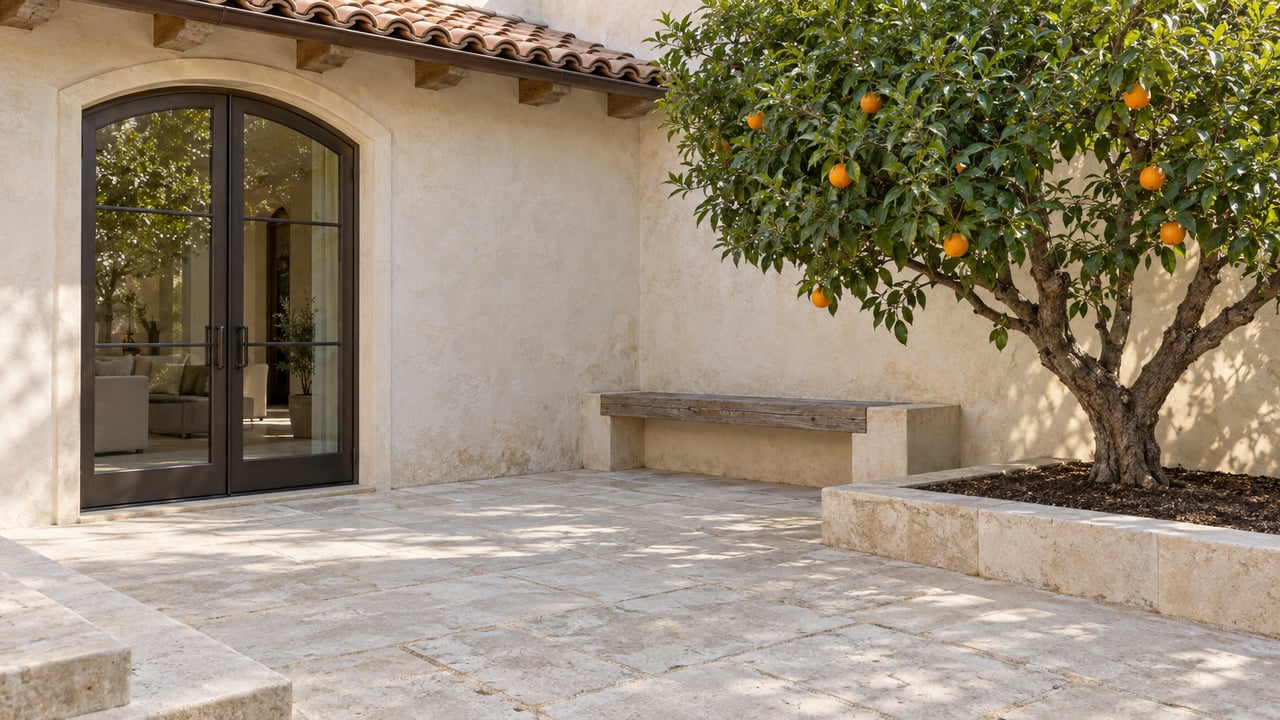
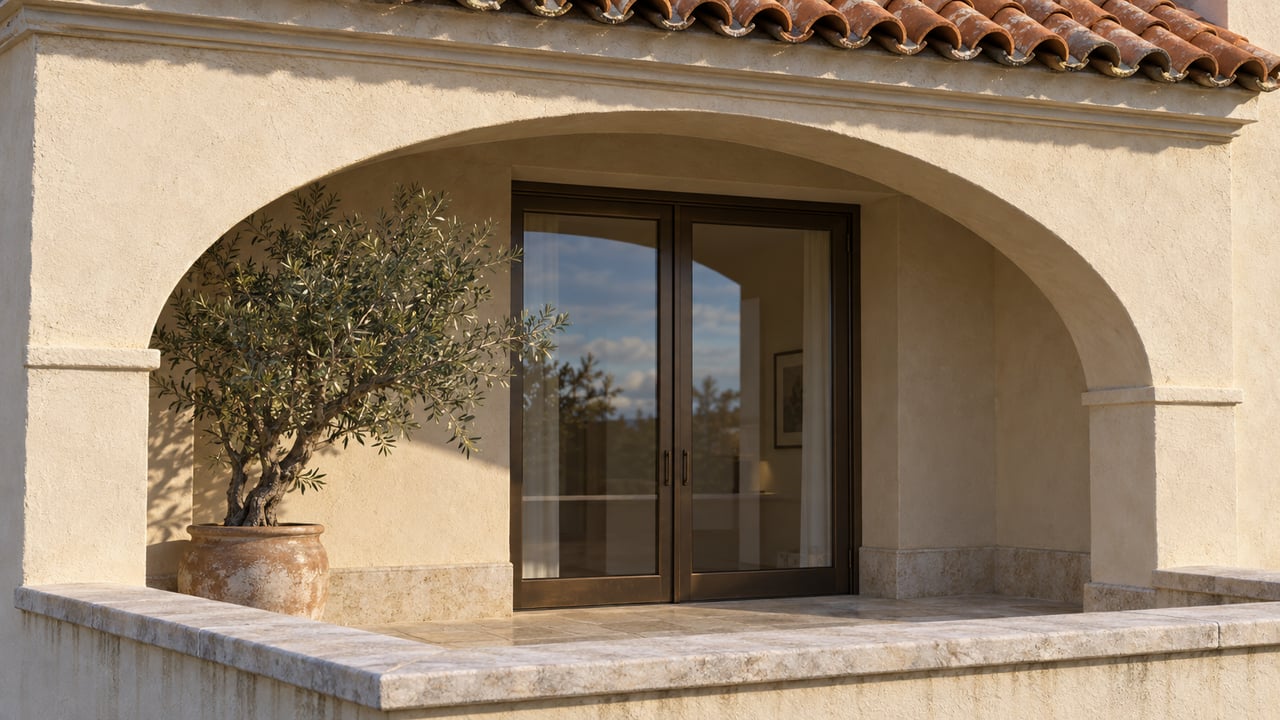
The neighborhood is especially noted for Period Revival architecture. Spanish Colonial Revival, Tudor Revival, and French-inspired designs all have a strong presence here, which gives Rossmoyne a distinct visual identity.
Recent market snapshots place Rossmoyne around a $1.6 million median listing price. If you are drawn to established settings, architectural consistency, and historic character, this is one of Glendale’s most recognizable options.
Verdugo Woodlands
Verdugo Woodlands has a mature, established feel shaped by curving streets and abundant trees. The neighborhood’s housing mix is broad, which is part of what makes it stand out.
A current city historic-district application describes a mix of Craftsman homes, Revival styles, Minimal Traditional homes, Ranch homes, and Modern homes. That range creates a neighborhood with architectural variety rather than a single dominant style.
Recent market snapshots place Verdugo Woodlands roughly in the mid-$1.4 million to mid-$1.6 million range, depending on whether the source reports listing or sale data. For many buyers, the neighborhood offers a balance of character, greenery, and a more established residential setting.
How the Core Neighborhoods Compare
At a high level, Glendale’s core works as an urban-suburban hybrid. Downtown-adjacent areas are more apartment and condo oriented, while neighborhoods like Rossmoyne and Verdugo Woodlands lean more toward character homes, larger lots, and historic settings.
Adams Hill often sits somewhere in the middle. It has architectural personality and a more residential feel, but it is still closely tied to the broader central Glendale area.
Here is a simple way to think about the differences:
| Neighborhood | General Feel | Common Housing Pattern | Recent Price Snapshot |
|---|---|---|---|
| City Center | Most urban, downtown-connected | Apartments, condos, higher density | About $739K median listing price |
| Citrus Grove | Downtown-adjacent, convenient | Condos, apartments, mixed residential | About $792K median listing price |
| Adams Hill | Residential, eclectic, character-driven | Mostly single-family, some condos/apartments | About $1.195M median listing price |
| Rossmoyne | Historic, established, architectural | Character single-family homes | About $1.6M median listing price |
| Verdugo Woodlands | Green, established, varied architecture | Single-family homes with style variety | Mid-$1.4M to mid-$1.6M range |
What Walkability Really Means Here
When people ask whether Glendale is walkable, the answer depends on the specific neighborhood. Downtown and the Brand Boulevard area are the practical center of walkability because city planning there is intentionally pedestrian-focused.
In hillside and more residential neighborhoods, daily life tends to be shaped more by topography and street layout. That does not make those areas less appealing. It simply means the lifestyle shifts from walk-to-dinner convenience to a quieter, more neighborhood-oriented rhythm.
Historic Districts and Ownership Considerations
If you are considering a home in one of Glendale’s historic districts, it helps to know how review works. The city says that applicable exterior work on historic-district properties is reviewed by the Historic Preservation Commission rather than the Design Review Board.
Routine maintenance and interior work generally do not require historic review, and the underlying zoning does not change. For buyers who love older homes, that can be helpful context as you compare charm, stewardship, and future plans for the property.
Who Tends to Feel at Home in Glendale’s Core
Glendale’s core can work well for several types of buyers because it offers real contrast within one city. Some people are drawn to the convenience of downtown living, where dining, shopping, and entertainment are part of the weekly routine.
Others want a more residential setting with architectural character and established streetscapes. In Glendale, you can often choose between those lifestyles without giving up central access to the rest of Los Angeles County.
That flexibility is a big part of why Glendale stays competitive. Citywide, the broader market backdrop is around a $1.0 million median sale price and about $1.2 million in typical home value, but the neighborhood-level experience can feel quite different depending on whether you prioritize walkability, historic character, or a greener residential setting.
If you are weighing where to focus in Glendale, the right fit usually comes down to how you want your days to feel. Do you want to be close to Brand Boulevard and the Arts & Entertainment District, or do you picture a quieter setting with mature trees, historic architecture, and nearby park space?
That is where neighborhood-level guidance matters. If you want help comparing Glendale’s core neighborhoods, pricing, and home styles with a more tailored strategy, Thomas Atamian + Associates can help you navigate the options with local insight and discreet, high-touch service.
FAQs
What is downtown Glendale like for daily life?
- Downtown Glendale centers on Brand Boulevard and offers shopping, dining, entertainment, cultural venues, and higher-density housing within a more walkable setting.
What types of homes are common in Glendale’s core neighborhoods?
- Housing varies by neighborhood, from apartments and condos in City Center and Citrus Grove to predominantly single-family character homes in Adams Hill, Rossmoyne, and Verdugo Woodlands.
What is Adams Hill like in Glendale?
- Adams Hill is primarily a single-family neighborhood with some apartments and condos, and it is known for older housing stock and an eclectic mix of architectural styles.
What is special about Rossmoyne in Glendale?
- Rossmoyne is Glendale’s largest historic district and is known for gently curving streets and Period Revival homes, including Spanish Colonial Revival, Tudor Revival, and French-inspired designs.
What is Verdugo Woodlands like for homebuyers?
- Verdugo Woodlands offers curving streets, mature trees, and a wide mix of home styles, including Craftsman, Revival, Ranch, Minimal Traditional, and Modern homes.
Is Glendale’s core walkable?
- The downtown and Brand Boulevard area are the most walkable parts of the core, while hillside and more residential neighborhoods tend to be more topography-driven and car-dependent.
How do historic districts work in Glendale?
- For applicable exterior work, historic-district properties are reviewed by the Historic Preservation Commission, while routine maintenance and interior work generally do not require historic review.
Is Glendale convenient for commuting and errands?
- Glendale offers access to I-5, SR-2, SR-134, and SR-210, sits near several major LA destinations, and also has Beeline bus service with 13 routes.