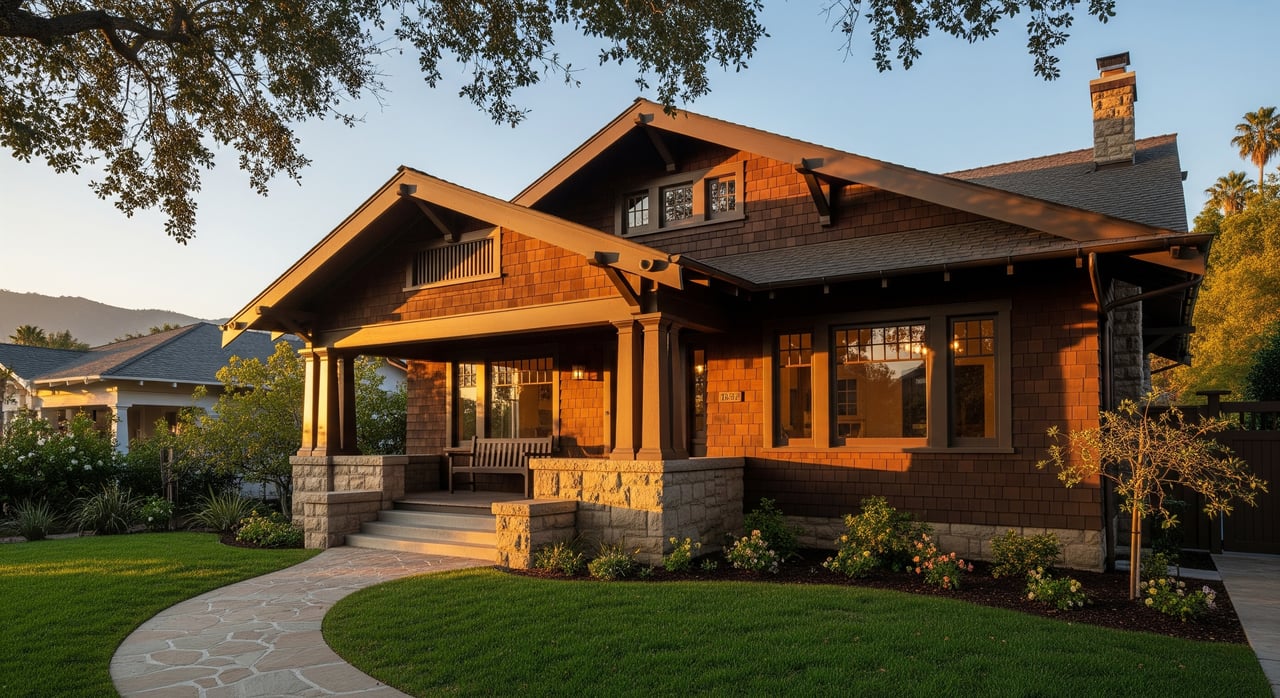
Love the idea of wide front porches, exposed rafters, and a home with real character? If you are shopping in Pasadena, Craftsman and bungalow homes offer timeless design and a strong sense of place. But older houses come with unique features, rules, and maintenance needs. In this guide, you will learn what to look for, what drives value, how to assess condition, and how Pasadena’s historic rules and earthquake realities fit into your plans. Let’s dive in.
Why Pasadena Craftsman homes stand out
Pasadena holds one of the country’s strongest collections of early 20th-century Craftsman homes, many built between 1900 and the 1930s. Neighborhoods like Bungalow Heaven and several historic-overlay districts highlight this legacy. Skilled local builders, period millwork, and mature streetscapes give these homes exceptional integrity. Strong preservation culture helps keep features intact, but it also means you will navigate guidelines for exterior changes.
Hallmark exterior features to spot
When you tour, use these identifiers to recognize an authentic Craftsman.
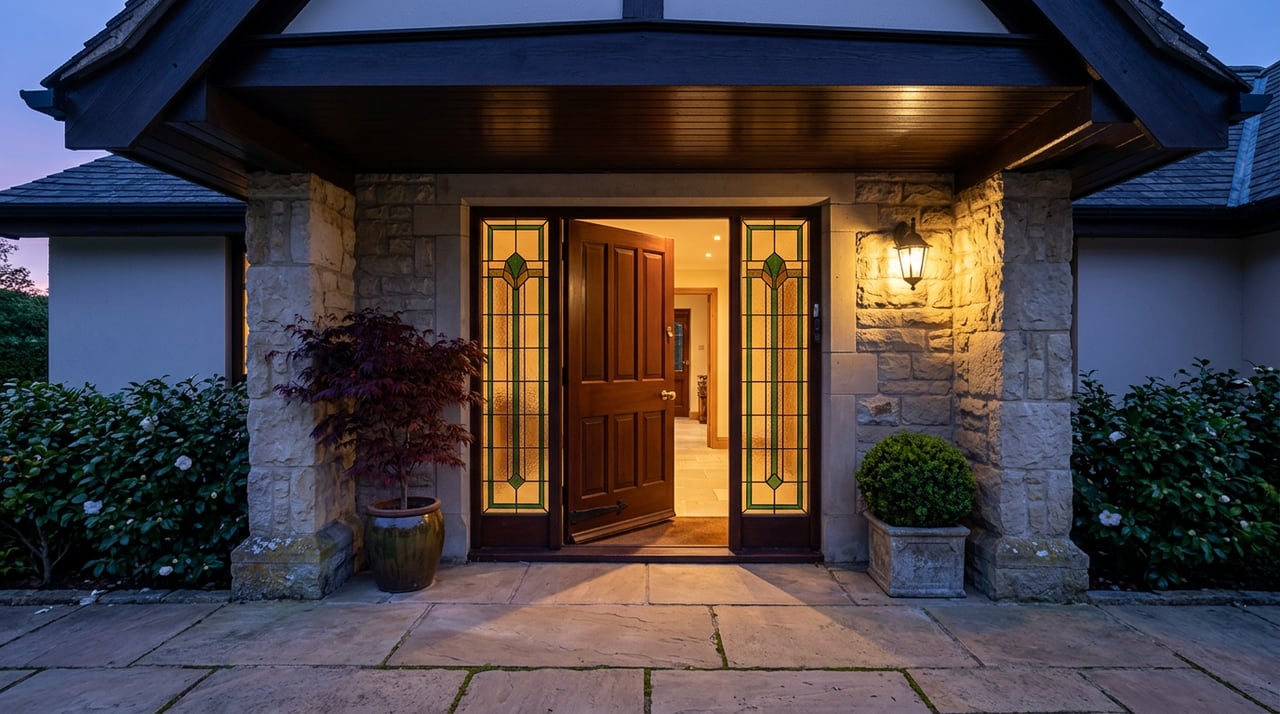
- Low-pitched, front or cross-gabled roofs with wide eaves and exposed rafters or decorative rafter tails.
- Prominent front porch with tapered columns on stout masonry piers, sometimes in stone, brick, or clinker brick.
- Natural cladding like wood siding and shingle accents in gable ends, plus rustic masonry chimneys.
- Wood or multi-light entry doors and original porch rail details.
- Double-hung windows, often with multi-pane upper sashes over single-pane lowers, sometimes grouped in bands.
Interior details buyers love
The charm continues inside, where craftsmanship is the star.
- Built-ins such as bookcases, window seats, dining room sideboards, and inglenooks around the fireplace.
- Original woodwork, including wide baseboards, picture rails, wainscoting, and beadboard or tongue-and-groove paneling.
- Exposed or boxed-beam ceilings and substantial fireplace mantels with tile surrounds.
- Leaded or stained glass, original hardware, and period tile in kitchens and baths.
- Open but compact floor plans focused on a central living area and a strong connection to the porch or garden.
What drives value in a Craftsman
Certain elements tend to elevate perceived and market value.
- Intact millwork and built-ins. Preserved woodwork, leaded glass, and original floors are big pluses.
- Authentic porches and fireplaces. Original porch structure and a tiled or period fireplace add weight.
- Sensitive restoration. Repairing original windows, matching profiles, and using period-appropriate materials helps long-term value.
- Avoiding incompatible changes. In historic-overlay areas, alterations like vinyl windows or covered siding can be discouraged and reduce appeal.
- Documentation. Historic photos, prior preservation reports, and complete permits show stewardship.
Condition and systems checklist
Older homes reward care. Use this checklist to understand condition and plan upgrades.
Structure and foundation
Many Craftsman homes are wood-frame on masonry perimeter or pier-and-beam foundations, sometimes with short cripple walls. Look for signs of settlement, dry rot, or termite damage. Check sill plates for anchoring and note any sloped floors or doors that bind.
Roof and exterior envelope
Original roofs may have been replaced; ask about age, flashing, and any leaks. Inspect eaves, soffits, and rafter tails for rot. Masonry chimneys may be unreinforced and can need repointing or safety upgrades.
Windows and insulation
Single-pane wood-sash windows are common and contribute to character. To boost comfort, consider restoration, weatherstripping, and storm windows instead of full replacement. Attic and wall insulation may be minimal by today’s standards.
Electrical and plumbing
Knob-and-tube or early cloth-insulated wiring may still be present and can affect safety and insurance. Ask about the scope of any rewiring and whether it was permitted. Galvanized plumbing can corrode and reduce flow; many homes have partial repipes or sewer upgrades.
Hazardous materials
Pre-1978 homes may contain lead-based paint. Older insulation, ducting, or mastics can include asbestos, especially after mid-century updates. Testing and abatement are standard due diligence.
Permits and undocumented work
A century of ownership can leave a patchwork of changes. Verify permit history for structural, electrical, plumbing, roof, and additions. Clarify any unpermitted work to avoid future compliance costs.
Earthquake safety and retrofit basics
Pasadena buyers should factor seismic resilience into their plans. Typical retrofit measures for wood-frame Craftsman homes include sill plate bolting to the foundation to limit sliding, bracing cripple walls with plywood shear panels to resist lateral loads, and bracing or addressing tall unreinforced chimneys. Where foundations or piers have settled, repairs or reinforcement may be needed. Experienced contractors can often conceal work to preserve visible historic details.
Grant or incentive programs have been offered at times in California. Availability and eligibility change, so confirm current programs before budgeting. Insurance carriers may offer incentives for retrofit work or may require certain safety upgrades.
HPOZs in Pasadena: what it means for you
Many Pasadena neighborhoods are covered by Historic Preservation Overlay Zones with design guidelines. Exterior changes that affect public-facing sides, such as roofs, porches, windows, siding, or trim, often require review and approval before permits. Interior changes are usually less regulated unless a property has specific interior designation.
Ask early whether a property is in an HPOZ, and request guidance from city preservation staff on what is allowed. Best practices include prioritizing life-safety upgrades that can be concealed or reversed, documenting conditions before work, and matching original profiles and materials. Restoring original windows and adding interior or exterior storms is often preferred to full replacement.
Showing-day questions to bring
Use these to make the most of your tours and disclosures.
- Is the home in an HPOZ or otherwise designated historic, and what review is required for exterior work?
- What is the permit history for major systems, foundation, roof, and any additions? Any known unpermitted work?
- Has seismic work been completed, including foundation bolting, cripple-wall bracing, and chimney bracing? Are there plans and permits?
- What is the age and type of wiring? If knob-and-tube existed, was it fully removed or isolated?
- What type of plumbing is in place, and have there been repipes or sewer-line replacements?
- How old is the roof, and what is the condition of eaves, rafters, and the porch structure?
- Are the windows original, and if replaced, when and with what materials? Were approvals obtained?
- Any known termite activity, dry rot, or moisture issues in the crawlspace or basement? Any grading fixes?
- Have historic materials been removed or covered? Are there historic photos or reports?
- What are typical utility costs and insulation levels? What is the HVAC setup?
- Are there easements, preservation covenants, or historic easements on title?
- For additions, were they designed to be compatible and permitted?
Red flags that merit specialists
Watch for signs that call for deeper evaluation.
- Sloping floors, large cracks, or doors and windows that bind.
- Evidence of major water intrusion or rot in structural members.
- Active pest infestation or extensive unpermitted work.
- Live knob-and-tube wiring or deteriorated electrical components.
- Unreinforced or cracked chimneys.
Smart upgrades that honor character
You can often improve comfort and safety while preserving the look you love. Restore and weatherstrip original windows and consider storm windows instead of replacements. Add discreet attic insulation and choose HVAC strategies that avoid damaging historic fabric, such as carefully routed ducts or mini-splits. Prioritize seismic upgrades that can be hidden, and match original profiles if any exterior elements must be replaced. Maintain wood siding and trim with proper paint cycles rather than covering them with incompatible materials.
Your next step
Buying a Pasadena Craftsman is as much about stewardship as it is about style. When you understand hallmark features, HPOZ guidelines, and earthquake priorities, you can shop with confidence and plan upgrades that respect the home’s character. If you want a calm, organized purchase process with local expertise and concierge coordination of inspections, permits, and preservation-minded vendors, our team is here to help.
Reach out to Thomas Atamian + Associates for tailored buyer representation across Pasadena and the San Gabriel Valley. Request a Confidential Consultation.
FAQs
What makes a home a true Pasadena Craftsman?
- Look for low-pitched gabled roofs with exposed rafters, a deep front porch with tapered columns on heavy piers, natural wood siding or shingles, double-hung windows with multi-pane uppers, and interiors with built-ins, rich woodwork, and a central fireplace.
How do HPOZ rules affect exterior changes on Craftsman homes?
- In many Pasadena districts, exterior work visible from the street requires review and approval. Guidelines favor preserving original features and historically appropriate materials, while interior work is generally less regulated.
What seismic upgrades are recommended for older Craftsman houses?
- Common measures include sill plate bolting to the foundation, bracing cripple walls with plywood shear panels, and bracing or addressing tall unreinforced chimneys, with reinforcement or repairs where needed.
Can you improve energy efficiency without replacing original windows?
- Yes. Restore and weatherstrip wood-sash windows and use storm windows to boost comfort and efficiency while retaining original profiles and glass.
Which inspections should I order when buying a Craftsman?
- Schedule a full home inspection, a pest and termite report, and specialist evaluations for structure, electrical systems, and any suspected hazardous materials, plus a preservation consult if you plan exterior changes in an HPOZ.
Where are Craftsman homes concentrated in Pasadena?
- Pasadena has several areas rich in Craftsman architecture, including Bungalow Heaven and other historic-overlay districts known for early 20th-century examples with high integrity.