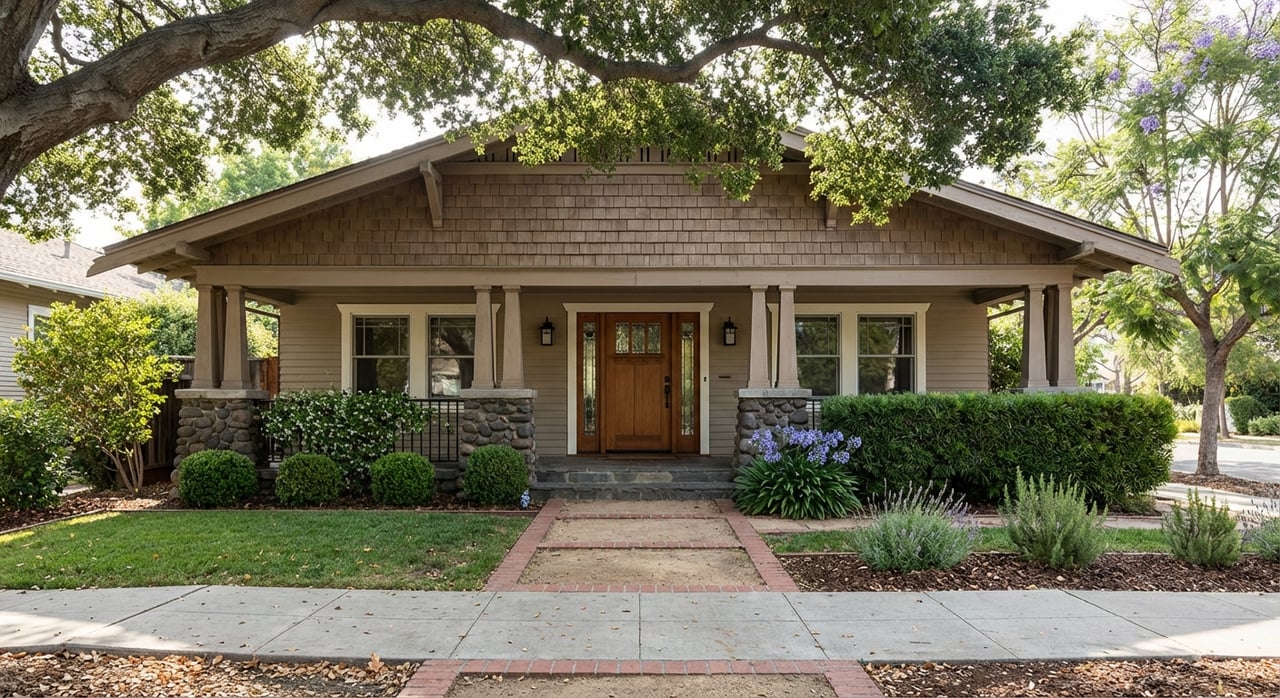
You feel it the moment you turn onto a tree‑lined street in Pasadena: shaded porches, handcrafted details, and a calm, cohesive streetscape that never goes out of style. If you are drawn to classic bungalows, estate‑scale architecture, and walkable blocks near parks and dining, Pasadena’s historic districts offer a rare blend of beauty and everyday convenience. In this guide, you will learn how local preservation works, which neighborhoods to explore, what daily life feels like, and how to navigate rules and incentives as a buyer. Let’s dive in.
How historic designation works
Pasadena recognizes historic properties at the local, state, and national levels. Local landmark districts are administered by the City of Pasadena and typically require a Certificate of Appropriateness for exterior changes visible from the street. Interior work and routine maintenance are usually exempt. You can review the city’s process, incentives, and contact information on the Design & Historic Preservation page at the City of Pasadena website.
Local designation does not change what you can use a property for under zoning, but it does shape how visible alterations are reviewed. Smaller projects often receive staff‑level approvals in weeks, while major changes go to the Historic Preservation Commission and may take longer. The city offers free consultations and design guidelines to help you plan compatible work.
For income‑producing historic properties, a federal 20 percent rehabilitation tax credit is available when work is certified as meeting standards. Owner‑occupied single‑family homes generally do not qualify for this federal program.
City of Pasadena: Historic Preservation rules and incentives
National Park Service: Federal rehabilitation tax incentives
Pasadena districts to explore
Bungalow Heaven
Bungalow Heaven is Pasadena’s first locally designated landmark district and later earned National Register recognition, with several hundred contributing early 20th‑century homes. Expect a compact pattern of front‑porch streets wrapped around McDonald Park and a well‑organized neighborhood culture that celebrates craftsmanship. Many buyers seek the quiet charm, mature shade trees, and classic bungalow courts.
Official listing summary for Bungalow Heaven
Garfield Heights
One of Pasadena’s earlier landmark districts, Garfield Heights contains a varied mix of late‑19th and early‑20th‑century styles, including Craftsman, Queen Anne, and Colonial Revival. The neighborhood operates under a conservation plan that guides street‑visible work, which helps maintain a cohesive character. Residents value the historic fabric and active neighborhood association.
Garfield Heights Landmark District overview
Washington Square
Designated as a local landmark district, Washington Square features roughly 250 homes built between 1910 and 1940. You will find old‑growth camphor and oak trees, a welcoming streetscape, and an anchor at Washington Park. Contributing properties here are typically eligible for Mills Act contracts, subject to city approval.
Washington Square Neighborhood Association
Prospect Historic District
Centered on the Prospect Boulevard corridor, this National Register district showcases high‑style early 20th‑century architecture, including noted works by Greene & Greene and Myron Hunt. Landscaped boulevards and larger lots give the area a polished, estate‑like feel. It is a top choice if you appreciate period architecture at a grander scale.
Old Pasadena
Old Pasadena is a 20‑plus block National Register commercial district that has been thoughtfully restored and reactivated. Today it is a lively hub for restaurants, shopping, theaters, and services, with easy access to regional transit. Many nearby residential districts benefit from being a short bike or car ride away when you want an evening out.
Explore Old Pasadena’s directory
Orange Heights and Barnhart Tracts
This National Register district in northwest Pasadena is celebrated for its cohesive Arts and Crafts character. Expect arroyo‑stone details, mature landscaping, and consistent setbacks that create a photogenic streetscape. It is often featured on walking tours and appreciated by design‑savvy buyers.
Madison Heights
Madison Heights is known for tree‑lined streets and many early 20th‑century homes. A broad neighborhood group has pursued landmark‑district status, and the area is currently treated as eligible with an ongoing petition process. If you are considering a purchase here, ask about the latest designation status since rules may evolve.
Madison Heights Landmark District update
What living here feels like
Historic Pasadena neighborhoods favor human‑scale streets with visible porches, low front fences, and rear or alley garages. Mature shade trees calm the block and frame each facade, which adds to the feeling of continuity from home to home. Many areas sit near parks like McDonald Park, Washington Park, or Central Park, and are a short ride to Old Pasadena for dining and entertainment.
If you enjoy walking the dog under a leafy canopy, chatting with neighbors from the porch, and biking to coffee, these enclaves deliver that daily rhythm. Neighborhood associations often host tours and block events that make it easy to plug into the community.
Buying in a historic district
Design review and permits
- Most exterior changes visible from the street require a Certificate of Appropriateness before a building permit.
- Interior work, routine maintenance, and paint color are usually exempt. Many mechanical upgrades that are not street‑visible can also be exempt.
- Smaller projects often receive staff approvals in weeks. Larger additions or demolitions may go to the Historic Preservation Commission.
City of Pasadena: COA process and guidance
Incentives and savings
- The Mills Act can significantly reduce property taxes for eligible historic properties, often including contributing homes in landmark or National Register districts. The city cites examples of roughly 20 to 75 percent tax savings, with average savings around 50 percent. Mills Act contracts are long‑term and include maintenance obligations.
- The State Historical Building Code can provide flexibility for rehabilitation.
- A federal 20 percent rehabilitation tax credit is available for certified work on income‑producing historic properties. Owner‑occupied single‑family homes usually do not qualify.
City of Pasadena: Mills Act and incentives
National Park Service: Federal rehab tax credit
Inspections and safety
Older homes can hide vintage systems and materials that deserve a close look:
- Electrical: knob‑and‑tube wiring or ungrounded circuits in some older work.
- Plumbing: galvanized or cast‑iron lines reaching end of life.
- Environmental: lead‑based paint in pre‑1978 homes and possible asbestos in some insulation or ceiling materials.
- Pests and moisture: check for termites and water intrusion.
Hire inspectors experienced with historic properties and budget for specialist testing if needed.
Buying a historic home: inspection basics
Timeline and team
- Plan extra time for reviews and bids. Staff‑level COA reviews commonly take several weeks. Commission hearings can take 6 to 8 weeks or more for complex cases.
- Build a team that understands period construction: a historic‑home inspector, preservation‑aware architect or designer, contractor fluent in traditional materials, and a structural engineer when needed.
- The city’s Design & Historic Preservation staff offer free consultations. Pasadena Heritage maintains a referral list of preservation professionals.
Pasadena Heritage referral list
Financing and insurance
- Lenders do finance older homes, but they may require certain repairs to be addressed before closing. Unpermitted additions can complicate appraisals and underwriting.
- Insurance carriers vary in how they view older systems. Ask about coverage for historic features, roofs, and plumbing, and consider carriers familiar with historic homes.
Historic‑home financing and insurance considerations
Seismic notes for multi‑unit properties
Pasadena has a mandatory Soft‑Story Retrofit Ordinance for certain multi‑unit wood‑frame buildings constructed before a 1976 cutoff. If you are buying a historic triplex or larger, verify whether notices and timelines apply. Single‑family homes are typically excluded.
City of Pasadena: Soft‑Story Retrofit Ordinance
Is a historic district right for you?
If you value protected neighborhood character, consistent design, and community pride, a historic district can be a strong fit. Incentives like the Mills Act may enhance long‑term affordability, and the review process helps ensure compatible improvements on your block. The impact of designation on value varies by market and program design, so weigh benefits and obligations with your advisor.
When you want expert guidance on which district suits your lifestyle and how to approach a purchase, reach out to Thomas Atamian + Associates for a private consultation. Our team pairs local stewardship with a discreet, white‑glove experience from first tour to closing.
FAQs
How does Pasadena’s historic review work for street‑visible changes?
- Exterior alterations visible from the street usually require a Certificate of Appropriateness, with small projects reviewed by staff in weeks and larger ones by the Historic Preservation Commission; interior work and routine maintenance are commonly exempt.
What is the Mills Act in Pasadena and how much can I save?
- The Mills Act is a property‑tax contract for eligible historic properties; the city reports examples of roughly 20 to 75 percent savings, with an average around 50 percent, in exchange for long‑term maintenance commitments.
Are solar panels allowed on homes in Pasadena historic districts?
- Many rooftop solar installations are exempt if they do not materially change the street‑visible appearance, though prominent arrays on character‑defining roof planes should be reviewed early with city preservation staff.
Can I add a second story or build an ADU to a Pasadena landmark home?
- Additions and new construction can be possible but require compatibility and COA review; ADU rules also depend on zoning and state law, so speak with city planning early in design.
Do historic designations affect property values in Pasadena?
- Outcomes vary; designation often stabilizes neighborhood character and can support values over time, but effects depend on local rules and market conditions.
What inspections should I order for an older Pasadena house?
- Hire a historic‑home inspector and budget for checks on wiring, plumbing, lead‑based paint, asbestos, termites, and moisture, with specialist testing as needed.
Does Pasadena require seismic retrofits for historic multi‑unit buildings?
- Certain pre‑1976 wood‑frame multi‑unit buildings fall under the city’s Soft‑Story Retrofit Ordinance; single‑family homes are typically excluded.
How do I confirm if a Pasadena property is a contributing resource?
- Contact the City’s Design & Historic Preservation staff or consult the Historic Resources Inventory to verify designation and contributing status, which can affect incentives and review paths.