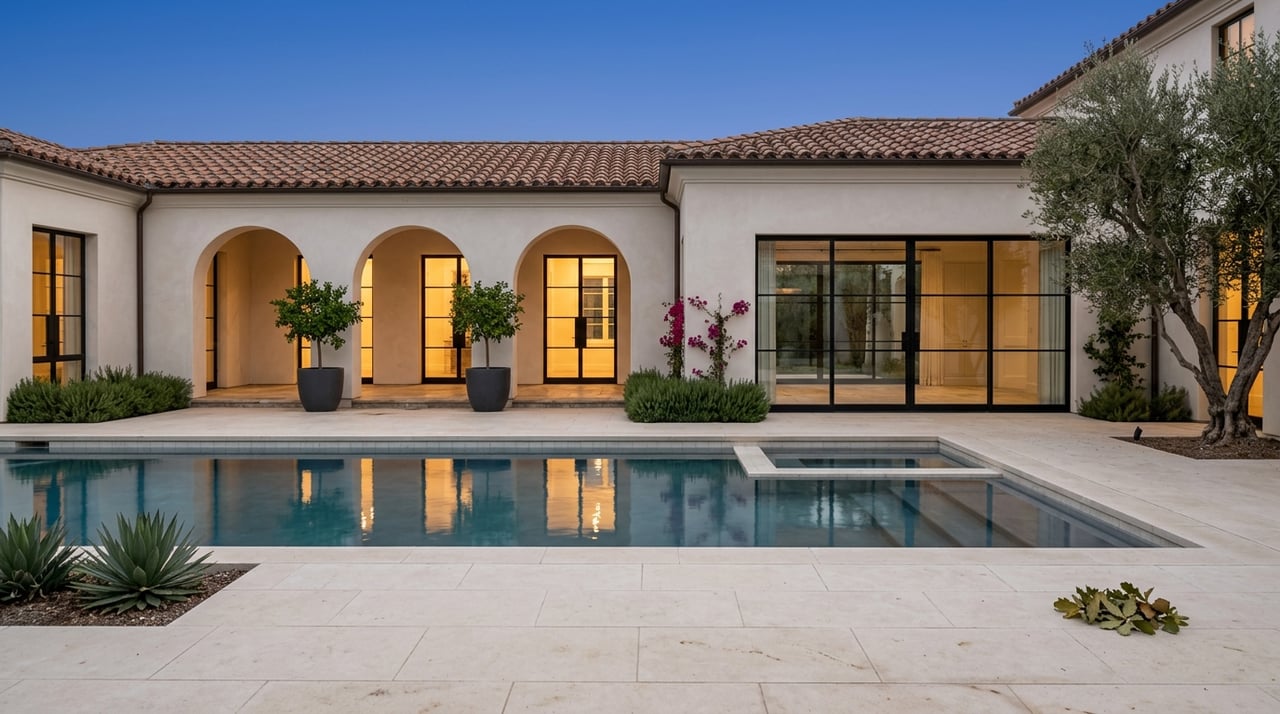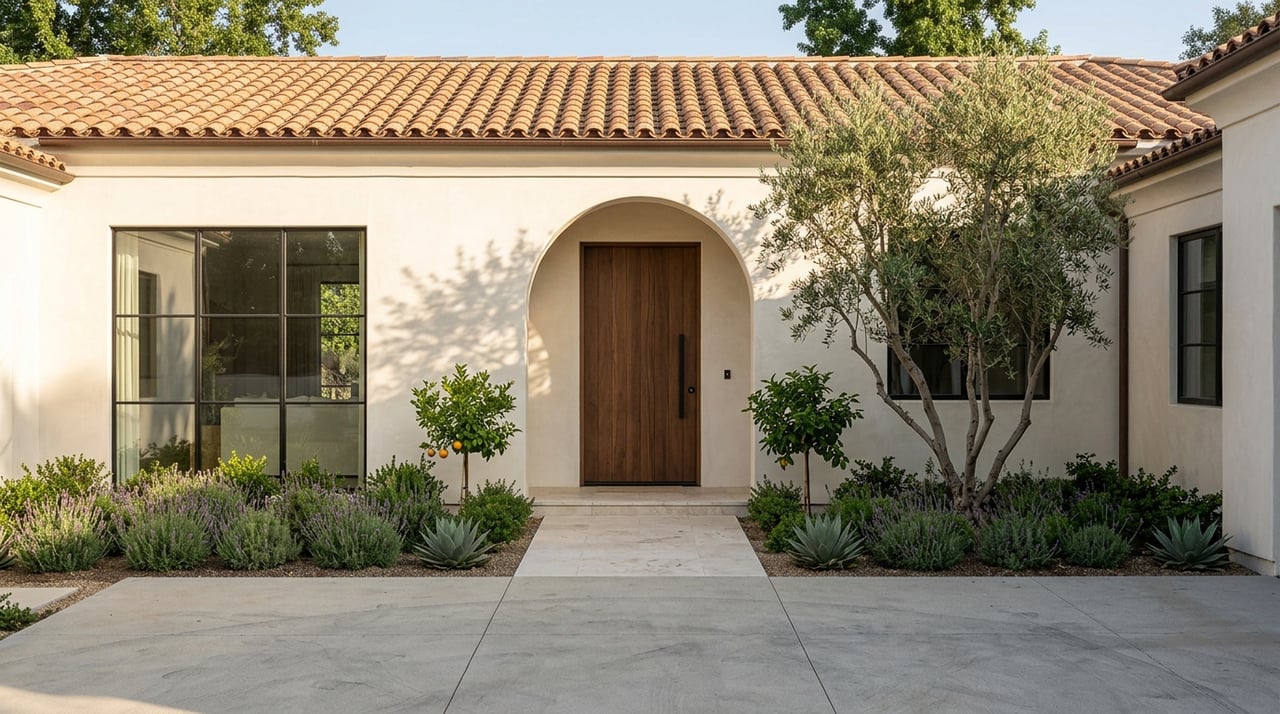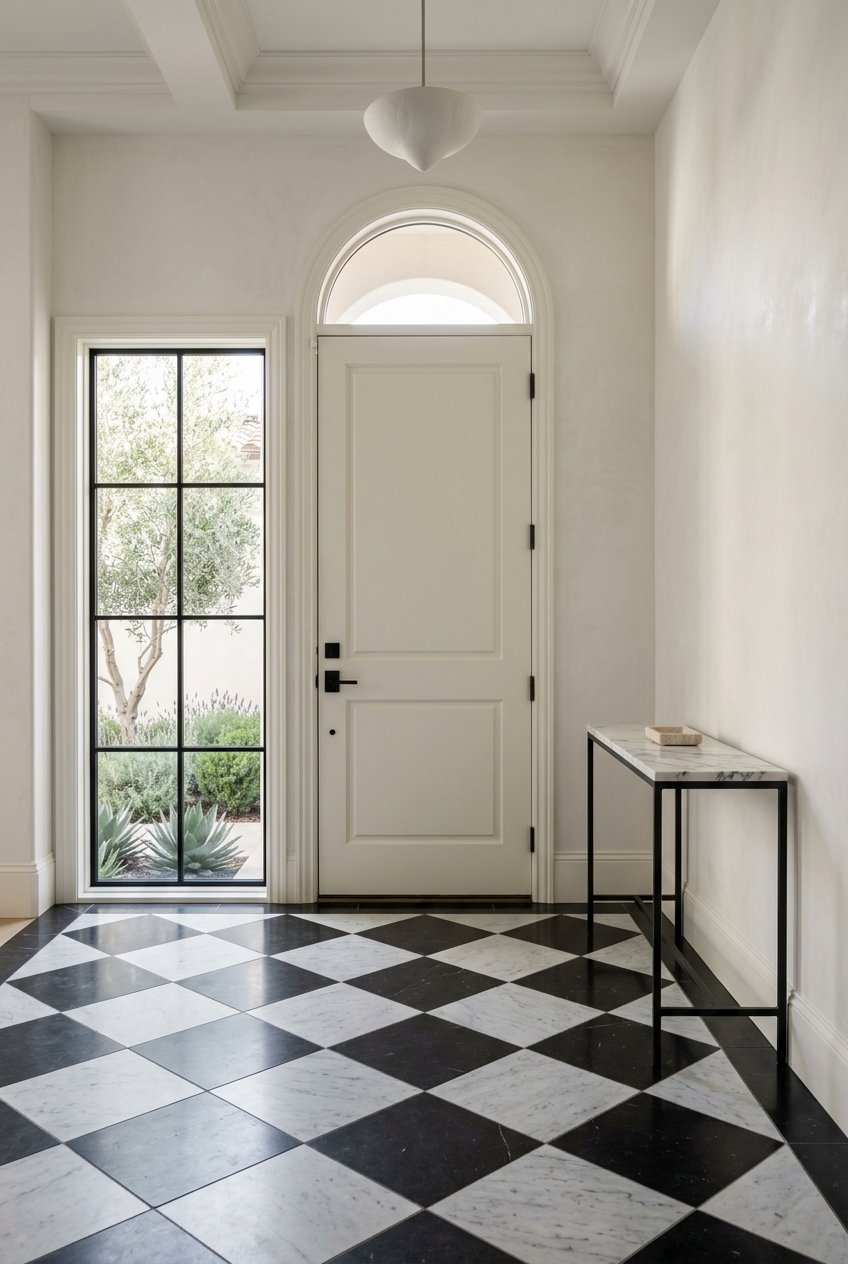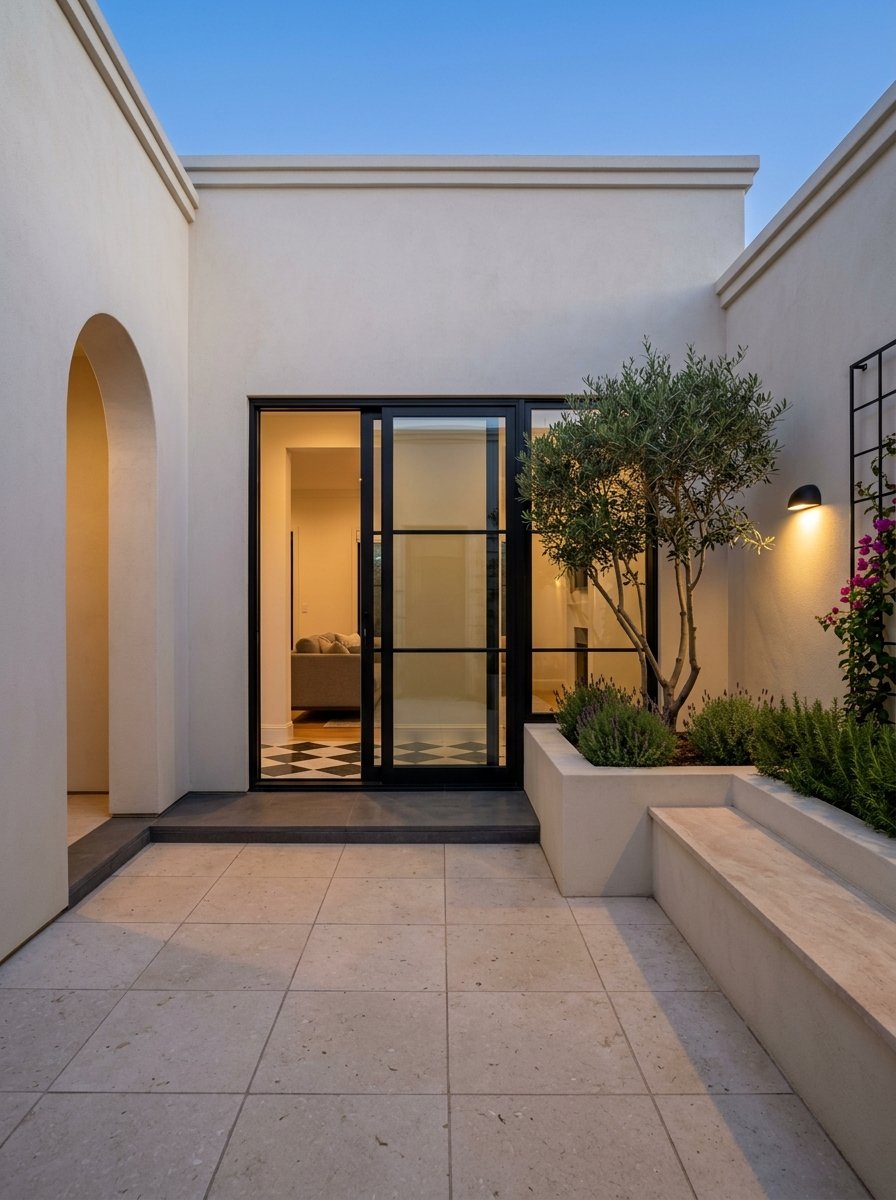
If you want to sell a luxury home in Glendale without turning it into a public event, you are not alone. Privacy matters for many homeowners, especially in a well-connected Los Angeles County city where the buyer pool is broad and visibility can rise quickly. The good news is that a discreet sale is possible when your strategy is built around local market conditions, California disclosure rules, and CRMLS listing options. Let’s dive in.
Why privacy matters in Glendale
Glendale sits minutes from Pasadena, Burbank, Hollywood, and Universal City, and the city describes itself as the fourth largest in Los Angeles County. That central location can expand your potential buyer audience, which is helpful for a sale, but it can also increase unwanted attention. For some luxury sellers, that makes controlled exposure just as important as pricing or presentation.
The local numbers also support a thoughtful launch plan. Third-party market trackers place Glendale in a high-value range, with reported home values and sale prices above the $1 million mark, while time-on-market figures vary by platform. Even though those metrics use different methods, they point to the same takeaway: in Glendale, timing, positioning, and presentation can shape your result.
Luxury is not limited to one narrow pocket of the city. Reported median list prices in areas like Rossmoyne, Verdugo Woodlands, and ZIP code 91208 show that Glendale includes several higher-price submarkets. If your home falls into one of these segments, a one-size-fits-all marketing plan may miss the mark.
What discreet selling really means
A private sale does not mean doing less. It means being more intentional about who sees your home, when they see it, and how much information is shared at each stage. In the luxury market, that often includes a smaller audience, stricter showing controls, and more careful timing.
For privacy-sensitive sellers, the goal is usually exposure control, not zero exposure. You still want qualified buyers to know the home is available. You just want to avoid unnecessary traffic, casual curiosity, and public overexposure.
That distinction matters because not every “quiet” launch is truly private. Some listing statuses create cooperation among agents while still putting the property in public-facing feeds. Others are designed to keep the listing out of broad MLS distribution altogether.
CRMLS options for a private launch
In Glendale, the local MLS framework matters. CRMLS offers several listing paths, and each one serves a different purpose.
Registered listing status
CRMLS says a Registered listing is withheld from the MLS, is not distributed anywhere, is ineligible for public marketing, and limits showings to clients of the listing broker and their agents. For sellers who want the highest level of privacy available within this framework, this is the strongest local option described in the research.
This setup can work well if you want to keep your property out of broad public view while still allowing very controlled outreach. It is especially useful when privacy is a top priority and public portal exposure is not the immediate goal.
Coming Soon status
Coming Soon is different. CRMLS allows up to 21 days in this status to give sellers time to stage and prepare the home, but no showings or open houses are allowed during that window.
It is important to know that Coming Soon is not a privacy shield. CRMLS states that these listings are included in IDX and VOW feeds and may appear on public portals such as Realtor.com and Homes.com. If your goal is confidentiality, Coming Soon is more of a pre-launch exposure tool than a discreet sale strategy.
Hold status
CRMLS Hold status can be used when you have a valid listing contract but need to stop showings for a period of time. CRMLS notes examples such as repairs, illness, or guests. Marketing can still continue, but the property is not available for showings.
This can help if your home is already in process and you need a temporary pause without fully stepping away from the market. It is a practical tool, but it does not provide the same privacy protections as a Registered listing.
No Internet setting
CRMLS also allows a No Internet setting in non-finalized statuses with written seller authorization. In addition, photographs and some listing information can be removed while a listing is non-finalized.
For some sellers, the most private local setup may involve a careful mix of listing status, internet exclusion, and tightly managed photo use. The right combination depends on your goals, your timeline, and how broadly you want to reach buyers.
Why public marketing timing matters
One of the biggest mistakes in a discreet sale is creating public exposure too early. CRMLS defines marketing broadly to include signs, websites, social media, flyers, open houses, and verbal or written communications. If public marketing happens before the listing is entered into the MLS, the property must be entered as Coming Soon or Active within one business day.
That rule changes how a privacy-focused campaign should be handled. A teaser post, a broad email blast, or a public-facing press mention can trigger a timeline you did not intend. In a high-end sale, that can reduce your control before the property is fully prepared.
A quieter rollout usually starts with broker-only outreach, vetted buyer lists, and carefully limited distribution. If broader awareness is part of the plan, the timing should be coordinated so that your marketing does not force an early public launch.
How private showings are typically handled
A discreet luxury sale usually depends on more than listing status alone. It also relies on a careful showing process.
Common privacy tools in the luxury market include:
- Buyer pre-qualification before access is granted
- Private, appointment-only showings
- Invitation-only events
- Password-protected virtual tours
- Controlled sharing of property details
These steps can reduce foot traffic and help protect your routine, your belongings, and your personal information. They also help keep the focus on serious buyers rather than curiosity-driven visits.
In some cases, sellers also require NDAs before sharing sensitive information. That can add another layer of privacy for pricing strategy, property details, or seller identity. Still, NDAs are a support tool, not a replacement for the legal disclosure process in California.
Privacy does not remove disclosure duties
This is one of the most important points for any California seller. A discreet sale does not reduce your disclosure obligations.
The California Real Estate Transfer Disclosure Statement must be delivered as soon as practicable before transfer of title. The Department of Real Estate explains that the form describes the condition of the property and is not a warranty, and that seller and broker or agent participation is required.
That means even in a highly controlled sale, you still need to provide required property information. Privacy can shape how and when details are shared, but it does not erase the duty to disclose material facts and visually observable conditions.
Recent California updates may also affect luxury homes that have been renovated. According to the DRE, sellers who obtained title within the prior 18 months must disclose certain contractor-performed work. Fire-hazard disclosures have also expanded to cover high fire hazard severity zones, not only very high zones.
Natural hazard disclosures also remain part of the process. California disclosure materials address issues such as flood, dam-inundation, very high fire hazard, and wildland-area conditions. If your property is affected, that information still needs to be handled properly, even in an off-market or low-profile transaction.
Fair housing still applies to discreet marketing
Privacy-focused marketing must also stay compliant with fair housing laws. The Fair Housing Act prohibits discrimination in housing because of race, color, national origin, religion, sex, familial status, and disability. California’s Civil Rights Department also makes clear that the law applies to advertising and housing-related services.
For that reason, a discreet listing strategy should focus on confidentiality and exposure control, not on language that suggests a preference, limitation, or exclusion related to protected characteristics. In practice, that means your messaging should stay factual, professional, and neutral.
This is another reason a measured, well-managed campaign matters. The right plan protects your privacy while keeping the sale compliant and professional.
When a discreet sale makes sense
Not every luxury listing needs a fully public launch on day one. A private or semi-private strategy may make sense if you:
- Have a high-profile career or public-facing role
- Value household privacy and limited foot traffic
- Need control over photography or online exposure
- Want to test buyer interest before a broader launch
- Need time to prepare the home without inviting showings immediately
In Glendale, where location and pricing can attract wide attention, these goals are common. The key is choosing a strategy that fits your comfort level without limiting serious buyer access more than necessary.
What to expect from a smart private-sale plan
A strong discreet sale plan should balance four things: privacy, preparation, compliance, and buyer reach. If one of those is missing, the process can become harder than it needs to be.
In practical terms, that often means:
- Choosing the right CRMLS path for your goals
- Deciding how much internet visibility you want
- Preparing the home before any public exposure begins
- Vetting buyers before showings
- Managing photos, tours, and communications carefully
- Completing California disclosures correctly and on time
For luxury homeowners, this is where experience matters. A polished result usually comes from a calm, coordinated process behind the scenes, not from rushing into public marketing.
Why Glendale luxury sellers benefit from local guidance
Glendale is not a one-note market. Pricing, home style, and buyer demand can differ across the city’s luxury-adjacent pockets, and MLS decisions can affect how much control you actually have. That makes local judgment especially important when privacy is part of the goal.
A founder-led boutique team can be a strong fit for this kind of assignment because it allows you to keep a single trusted point of contact while still having the support needed for staging, production, and targeted outreach. For privacy-sensitive clients, that mix of personal stewardship and quiet execution can make the selling experience feel far more manageable.
If you are considering a discreet sale in Glendale, the best first step is a confidential strategy conversation. The right plan can help you protect your privacy, stay compliant, and still reach qualified buyers on your terms. To discuss a tailored approach, connect with Thomas Atamian + Associates.
FAQs
What is the most private way to list a luxury home in Glendale?
- Based on CRMLS rules, a Registered listing offers the strongest privacy option because it is withheld from the MLS, not distributed publicly, and limits showings to clients of the listing broker and their agents.
Does a Glendale Coming Soon listing stay off public websites?
- No. CRMLS says Coming Soon listings can be included in IDX and VOW feeds and may appear on portals, so this status is better for pre-launch exposure than for strict privacy.
Can Glendale luxury sellers require NDAs before showings?
- Yes, NDAs can be used as an added privacy layer before sharing sensitive details, but they do not replace California disclosure obligations.
Do California disclosure rules still apply in a private home sale?
- Yes. A discreet or off-market sale does not remove the requirement to provide California disclosures, including the Real Estate Transfer Disclosure Statement and applicable hazard disclosures.
Can public marketing trigger MLS rules for a Glendale listing?
- Yes. CRMLS says public marketing can trigger a one-business-day deadline to enter the property into the MLS as Coming Soon or Active, so timing matters in a privacy-focused launch.
Is a discreet luxury sale a good fit for every Glendale home?
- Not always. It tends to work best when privacy is a clear priority and the strategy still allows access to qualified buyers through controlled, well-timed outreach.