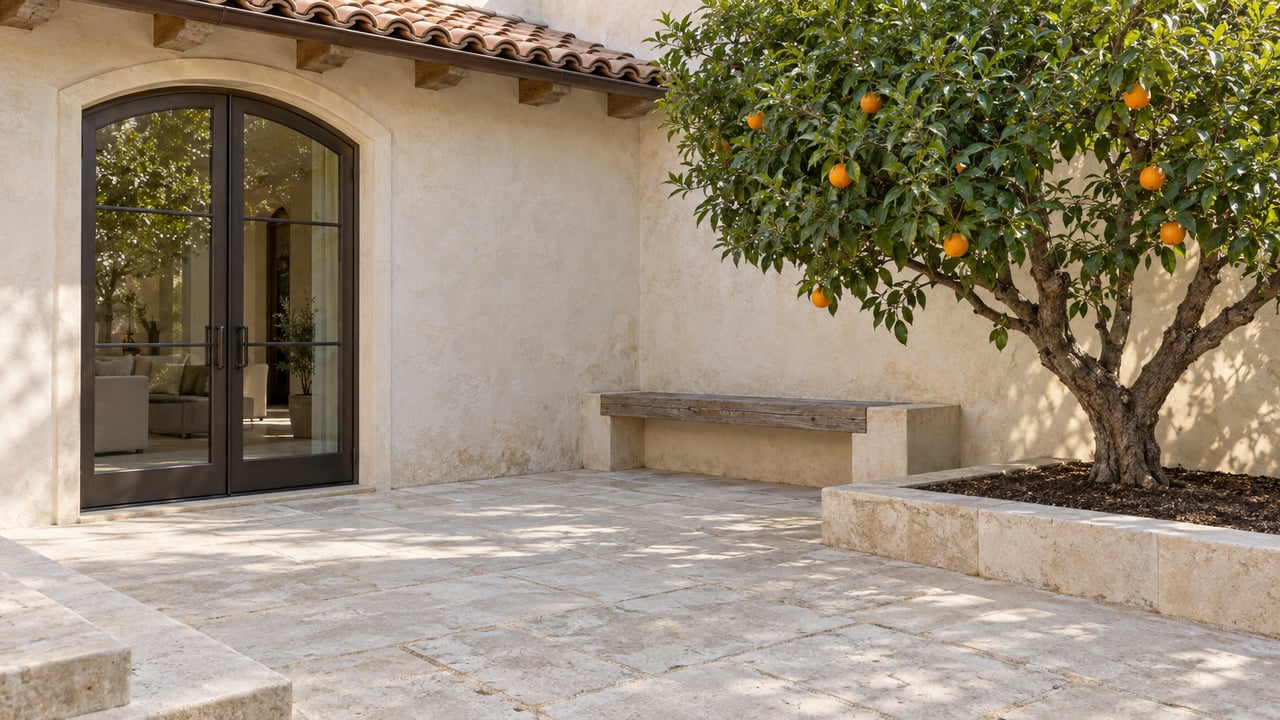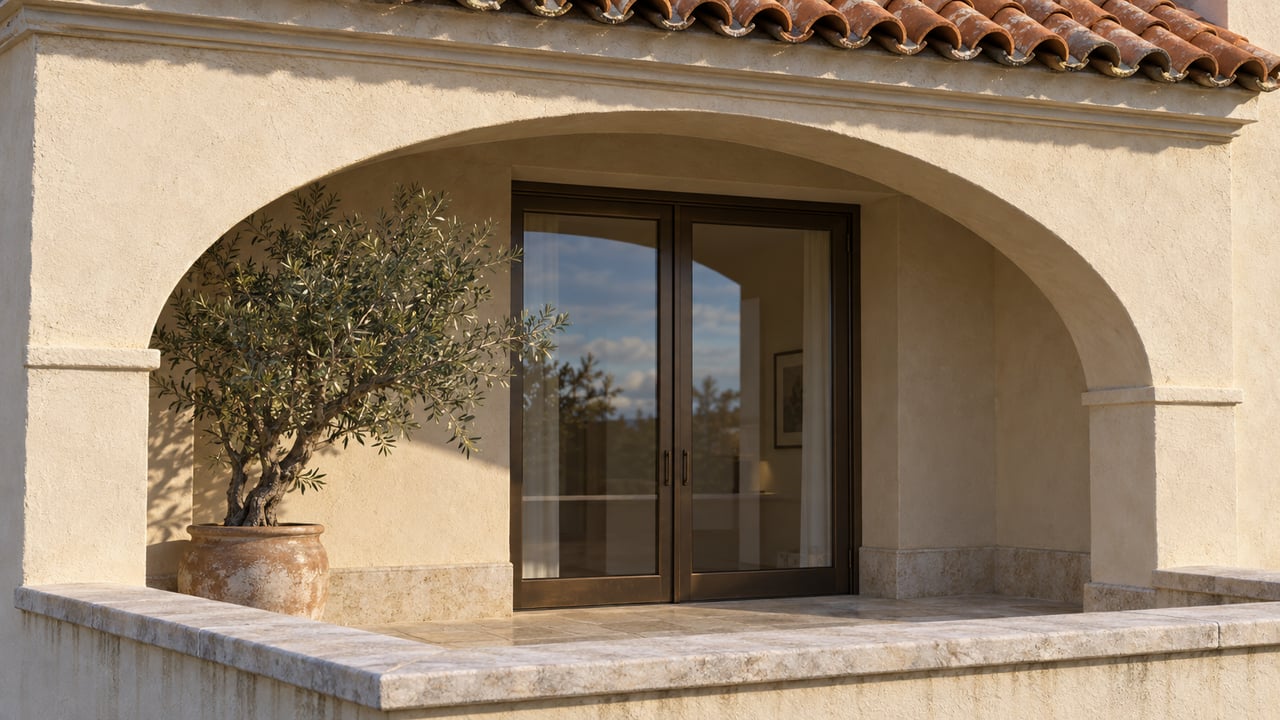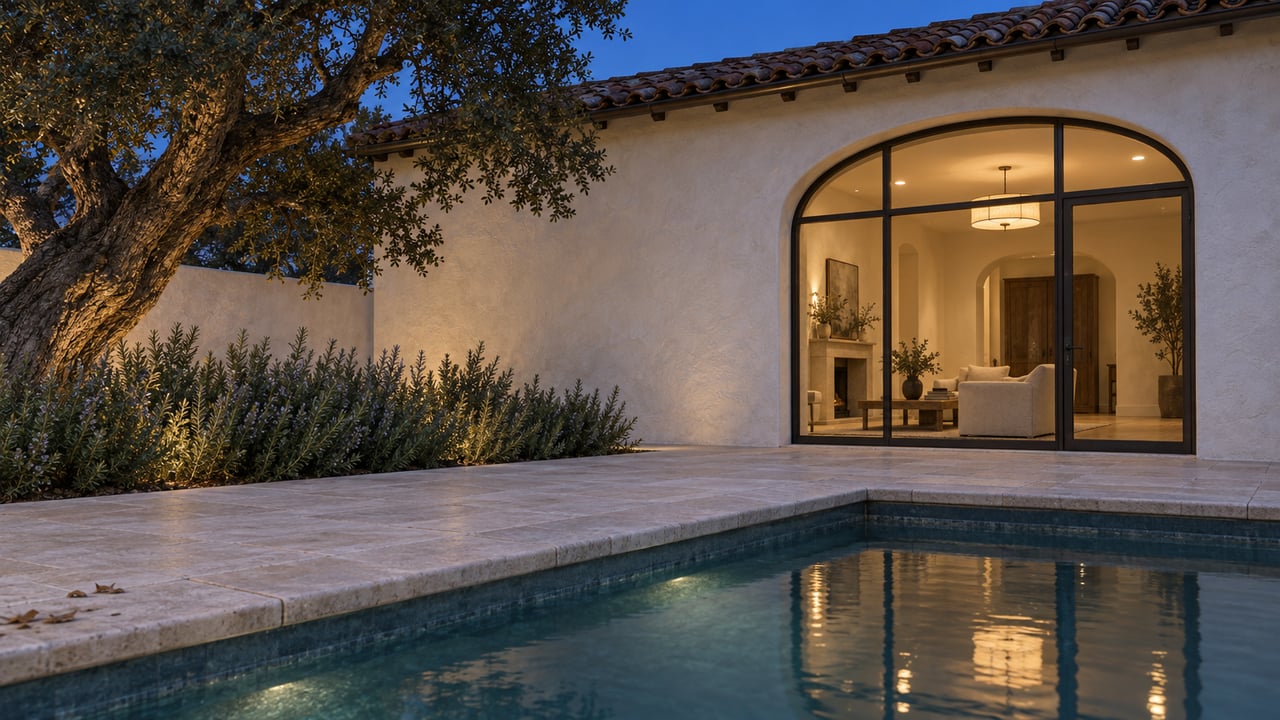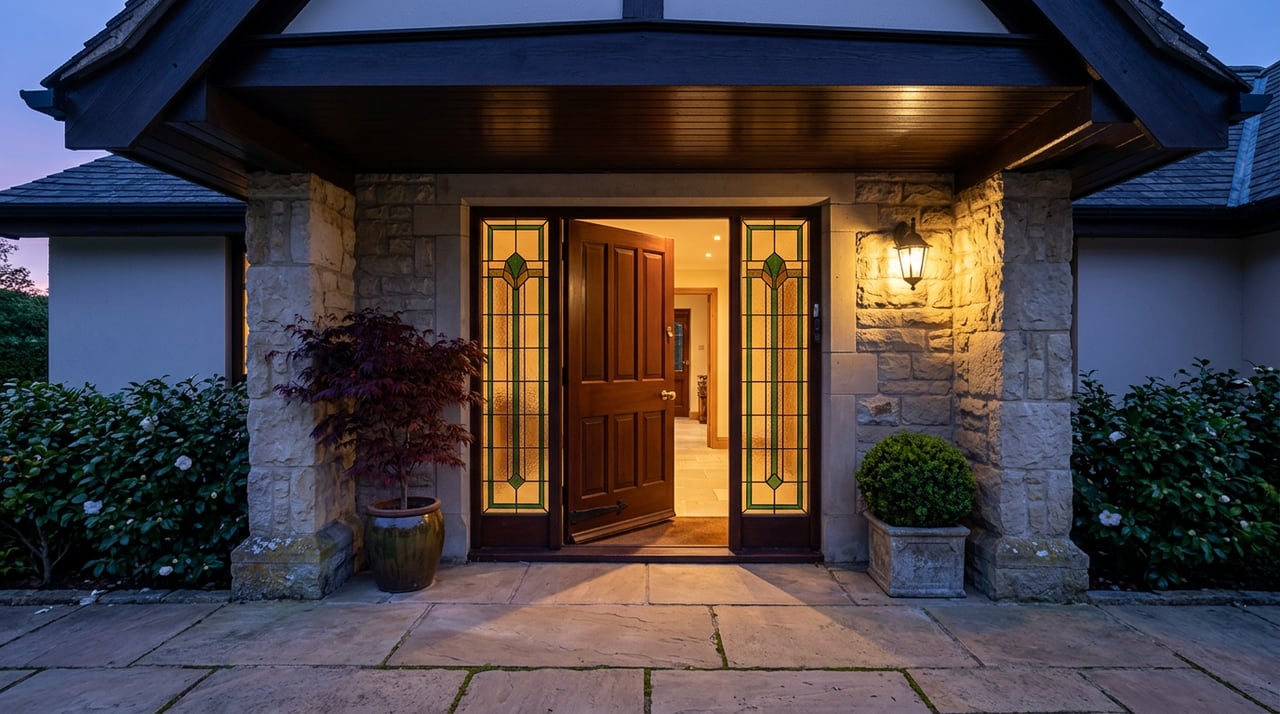
Wondering whether you should remodel before selling your Glendale home? It is a smart question, especially in a market where buyers move quickly but still compare condition, price, and presentation with care. The good news is that you usually do not need a full transformation to make a strong impression. In Glendale, the best pre-sale updates are often the ones that make your home feel clean, current, and well maintained. Let’s dive in.
Glendale sellers should think strategically
Glendale homes have recently landed in the low-to-mid $1.1 million range, depending on the source, with homes typically going pending or selling in about 23 to 36 days. Homes are moving, but buyers still have options and tend to look closely at value and condition. That means your remodeling decisions should focus on helping your home compete, not simply spending for the sake of spending.
Glendale is also not one uniform market. Neighborhood pricing can vary widely, with median listing prices around $759,500 in City Center and about $1.55 million in Verdugo Woodlands. A remodeling plan that makes sense for one part of Glendale may not make sense for another.
The city’s housing stock is another important factor. Glendale reports that 74.8% of dwelling units were built before 1980, and local survey responses show many owners noticing deferred maintenance or major systems needs. Buyers in this kind of market are likely to notice both cosmetic updates and obvious wear right away.
When remodeling before selling makes sense
Remodeling before you sell usually makes sense when the work removes buyer objections. If your home has peeling paint, a worn front entry, tired finishes, or visible maintenance issues, those items can affect how buyers view the entire property. Addressing them may help your home feel more move-in ready and easier to price confidently.
It can also make sense to update your home if it is falling behind neighborhood expectations. In a higher-priced Glendale micro-market, buyers may expect a more polished presentation or a better level of finish. In a more mid-priced area, smaller cosmetic updates may be the better path for protecting your net proceeds.
The key is to think about market standard, not personal preference. Buyers tend to respond best to improvements that feel neutral, functional, and easy to live with. They are often less impressed by highly customized choices that reflect your taste more than theirs.
Which projects usually offer the best payoff
National 2025 remodeling data points to a simple pattern: smaller, visible projects often offer better resale recovery than major luxury overhauls. The strongest estimated cost recovery came from projects like a new steel front door, closet renovation, fiberglass front door, and new windows. Kitchen and bathroom work can still help, but full renovations often recover only part of the cost.
For Glendale sellers, that supports a practical pre-sale approach. Since much of the housing stock is older, buyers are likely to respond well to visible freshness and signs of solid upkeep. In many cases, your dollars may go further when they reduce concern rather than try to create a dramatic wow factor.
Here are the kinds of projects that often make the most sense before listing:
- Fresh interior paint in neutral tones
- Exterior touch-ups that improve curb appeal
- Entry door replacement or refresh
- Repair of worn flooring, trim, or fixtures
- Minor kitchen updates instead of a full gut remodel
- Targeted bathroom refreshes
- Roofing work when the roof shows wear
- Window replacement when condition is an issue
NAR’s 2025 research also found that painting the entire home, painting a single interior room, and installing new roofing are among the improvements agents most often recommend before listing. That aligns well with what many Glendale buyers are likely noticing in an older-home market.
What to avoid before listing
The riskiest pre-sale remodels are usually the most expensive and most personalized. A luxury kitchen overhaul, spa-style primary suite, or major addition may look appealing, but those projects often recover only part of their cost at resale. They can also add stress, extend your timeline, and create permit complexity.
That does not mean bigger projects are never worth doing. In some Glendale submarkets, a larger update may be appropriate if your home is clearly below neighborhood condition standards. Still, it is important to weigh the cost, timing, and likely buyer expectations before moving forward.
If you are selling soon, try to avoid projects that:
- Take months to complete
- Depend on highly specific design choices
- Push your home beyond neighborhood norms
- Require extensive permit review without clear resale upside
- Reduce your flexibility to list at the right market moment
In most cases, simple and well executed beats expensive and custom.
Glendale permits can change your timeline
Before you start work, it is important to understand that Glendale routes many common remodel projects through its permit system. That includes kitchen and bathroom remodels, interior remodels, exterior changes, window and door replacement, stucco or siding work, and roofing. The city also states that every window replacement in Glendale requires a permit.
That matters because projects that seem straightforward can take more time than expected. Exterior work may also trigger additional design review steps. If you are hoping to list quickly, permit timing alone may affect whether a project is worth doing.
There is another timing issue for 2026 sellers. Glendale states that projects submitted on or after January 1, 2026 must comply with the 2025 California Building Standards Code and Glendale’s amendments. If you are planning work now, the rules in effect at permit submittal can shape cost, scope, and timing.
Documentation matters when you sell
Permits are only part of the picture. Good documentation can also make your sale smoother and help build buyer confidence. A properly completed and documented update can support marketability, while unclear paperwork can raise questions during inspections and escrow.
California rules add another layer for some sellers. State guidance says that if you obtained title to a single-family residential property within the previous 18 months, you must disclose certain contractor-performed room additions, structural modifications, alterations, or repairs since taking title when the contracts total $500 or more. That disclosure includes contractor names and copies of permits.
State guidance also says unlicensed contracting is illegal on projects that require a permit or when labor and materials total $1,000 or more. For sellers, the takeaway is simple: if you do work before listing, keep records organized and make sure the work is handled properly.
A simple way to decide
If you are unsure whether to remodel, start with three questions:
Will this fix a buyer objection?
If the answer is yes, it may be worth doing.Does this match neighborhood expectations?
The right update should support your price point, not overshoot it.Can this be completed and documented cleanly?
If permits, timing, or paperwork are likely to become a problem, the project may not be the best pre-sale choice.
A focused pre-listing plan often works better than a long wish list. The goal is not to make your home perfect. The goal is to make it easier for buyers to say yes.
The bottom line for Glendale sellers
For most Glendale homeowners, remodeling before selling is worth it only when the updates are selective, neutral, and well documented. In a market with older housing stock and meaningful neighborhood price differences, the smartest improvements are usually the ones that remove visible wear, improve first impressions, and reduce buyer uncertainty.
That often means paint, repairs, entry updates, and modest kitchen or bath refreshes rather than a full-scale renovation. With the right strategy, you can protect your timeline, control costs, and present your home in a way that feels compelling to today’s Glendale buyers.
If you are weighing which updates are worth making before you list, Thomas Atamian + Associates can help you assess your home, your micro-market, and the smartest path to market with a polished, data-driven plan.
FAQs
Should you remodel before selling a home in Glendale?
- Usually, yes only in a selective way. Smaller updates that improve condition and presentation often make more sense than a full remodel.
What remodels add the most resale value before selling in Glendale?
- High-visibility projects like fresh paint, entry improvements, repairs, roofing work, and some window replacements often offer stronger resale value than major custom renovations.
Do Glendale window replacements require a permit before selling?
- Yes. Glendale states that every window replacement requires a permit.
Are kitchen and bathroom remodels permitted in Glendale?
- Yes. Glendale routes kitchen remodels, bathroom remodels, and other interior remodel work through its permit system.
Should you do a full kitchen remodel before listing a Glendale home?
- Not always. National 2025 remodeling data suggests full kitchen renovations often recover only part of their cost, so a minor upgrade may be the better pre-sale choice.
Does documentation matter for pre-sale remodeling in California?
- Yes. Permits, contractor information, and records can affect disclosures, buyer confidence, and how smoothly your transaction moves through escrow.