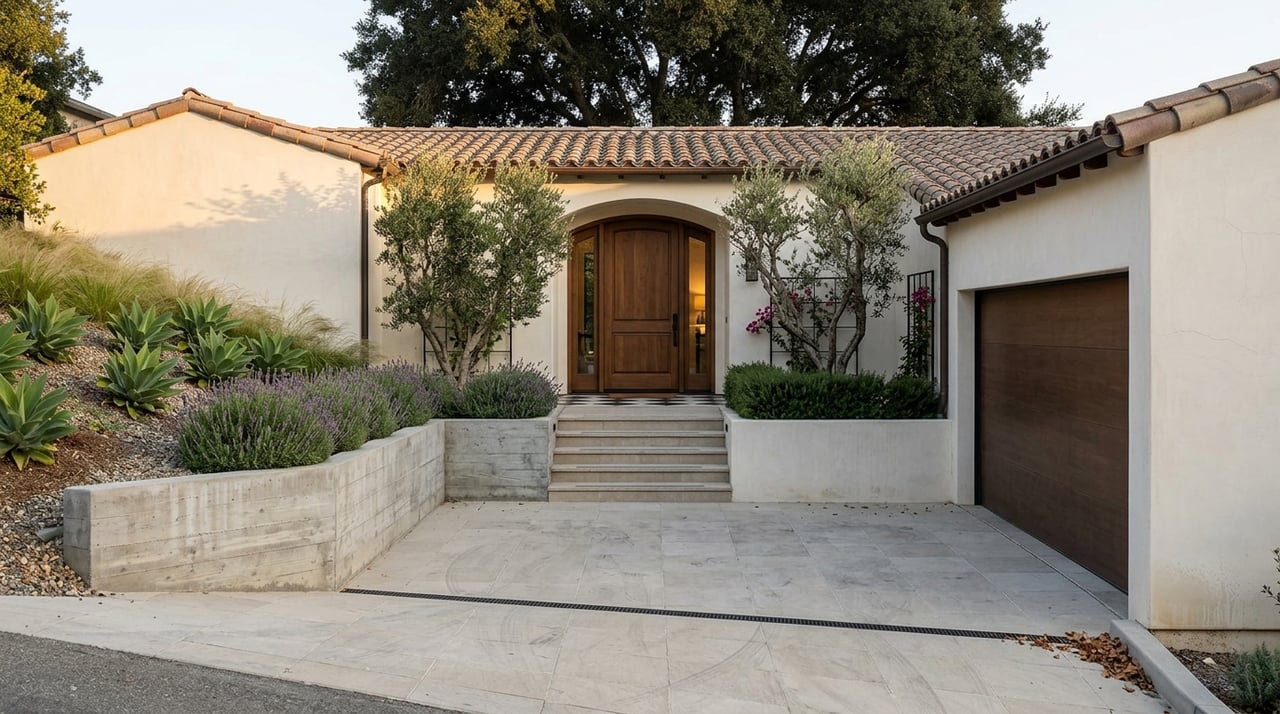
Wondering what it’s really like to live in one of Glendale’s hillside homes? The answer is part lifestyle upgrade, part practical adjustment. If you are drawn to mountain views, a quieter residential setting, and homes that feel connected to the land, Glendale’s hillsides can be deeply appealing. At the same time, daily life here comes with terrain-driven realities like steeper streets, terraced yards, and more planning around access, maintenance, and future remodels. Let’s dive in.
Glendale Hillside Living at a Glance
Glendale’s hillside neighborhoods are shaped first by topography and then by neighborhood character. City planning documents describe these areas as low-density residential neighborhoods with single-family homes, open-space surroundings, and a strong connection to the natural landscape.
In North Glendale, the city highlights mountain views, parkland, and access to nature as major parts of quality of life. The same planning vision points to village-style commercial areas like Montrose Shopping Park, Sparr Heights, and the Foothill Boulevard corridor as the places where many everyday errands and shopping needs are centered.
For you as a buyer, that usually means a living experience that feels more tucked away than Glendale’s flatter, more urban blocks. You may notice less through-traffic, more visual openness, and a stronger sense that the home sits within the hillside rather than on a conventional city grid.
What Daily Life Feels Like
A quieter residential setting
One of the biggest draws of Glendale’s hillside homes is the overall pace and feel. The city’s planning framework preserves and protects single-family and hillside neighborhoods, which helps maintain a lower-density residential character.
If you are moving from a flatter part of Los Angeles County, the change can feel significant. Streets may feel more residential, the surroundings more open, and the views more present in your day-to-day routine.
Strong access to open space
Glendale’s hillsides are closely linked to the city’s open-space network. According to the city, Glendale has more than 5,000 acres of open space, more than 30 miles of fire roads, and 7.5 miles of single-track hiking trails.
That access includes areas in the San Rafael Hills and the Verdugo Mountains. For many homeowners, that outdoor connection becomes part of daily life, whether that means walking, hiking, or simply enjoying a home setting with a stronger relationship to the surrounding terrain.
Views and landscape matter more
In Glendale’s hillside areas, the setting is not just background. Mountain views, mature landscaping, and proximity to parkland are part of what gives these neighborhoods their appeal.
That can shape how a home feels from morning to night. Natural light, outlook, and the way indoor and outdoor spaces connect often carry more weight here than they do in a flatter neighborhood where the streetscape tends to dominate.
Driving and Access in the Hills
Routes are more terrain-based
Hillside living in Glendale often means your routes are determined by the slope of the land. The city’s hillside design guidance says roads should follow natural contours rather than cut through landforms, and it encourages features such as split roadways, one-way loop roads, and parking bays where steep terrain makes that approach more practical.
For you, that usually means access can be less direct than in a flat-grid neighborhood. Getting from point A to point B may depend more on how the hillside is laid out than on a simple street grid.
Street patterns can feel less uniform
Because hillside streets respond to topography, you should expect more variation in width, shape, and circulation. Some streets may feel more winding or specialized, especially in areas where grading has been minimized to follow the existing landform.
That is not necessarily a downside, but it is a meaningful lifestyle difference. It can affect how quickly you get in and out, how guests experience the neighborhood, and how you think about everyday convenience.
Parking Expectations for Hillside Homes
Garages and driveways matter more
In Glendale’s hillside areas, parking is often more garage-and-driveway centered than street-parking centered. The city’s guidance favors garages integrated into the structure or placed in a way that fits the existing development pattern, while also encouraging minimized paved areas.
In practical terms, your private parking setup matters more here than it might on a flatter street with broad curb access. When evaluating a property, it helps to look closely at garage placement, driveway slope, and how easy it is to enter and exit.
On-street parking may be limited
The city notes that on-street parking in hillside areas may be arranged in parking bays rather than as continuous curbside parking. Glendale also operates residential preferential parking permit districts in some areas.
That means guest parking and overflow parking may require more thought. If you regularly host visitors or have a multi-car household, parking logistics deserve attention early in your home search.
Home Design and Lot Layout
Homes follow the slope
Glendale’s hillside guidelines are clear that buildings should follow the topography. The city encourages terraced forms, split-level pads, and grading that minimizes changes to the natural landform.
As a result, hillside homes often feel architecturally tied to the site. Instead of forcing a flat-building approach onto sloped land, many homes are designed in levels, with circulation and room placement shaped by the terrain.
Yards are often terraced
Usable outdoor space is common, but it often looks different from a broad, flat backyard. On hillside lots, you are more likely to see decks, patios, layered yard areas, and retaining-wall systems.
That can be a real advantage if you like outdoor living with views and distinct zones for dining, relaxing, or gardening. It also means you should look at outdoor space based on function, not just raw flat area.
Site planning is part of the home
On hillside properties, features like drainage, retaining walls, landscape design, hardscape, and parking are not side details. Glendale’s design guidance treats them as essential parts of the overall site-planning picture.
For buyers, this is important. A hillside home is not just the structure itself. It is also the way the lot has been shaped and maintained to work with the slope over time.
Common Home Styles You May See
Postwar Ranch influence is strong
Glendale’s North Glendale historic context identifies the Ranch style as a dominant influence in neighborhoods such as Glenwood Oaks, Oakmont Woods, and Crescenta Highlands. The city also notes older Minimal Traditional and Period Revival influences in the area.
That gives hillside housing stock a wide stylistic range. You may find modest postwar homes, extensively remodeled view properties, or larger custom residences, but many still reflect a design language shaped by privacy, slope, and indoor-outdoor living.
Indoor-outdoor details are common
The city’s historic context points to features such as outdoor patios and gardens, sliding glass doors, carports, decorative block screens, and exposed timbers and beams. These details are especially fitting in hillside settings where the surrounding landscape is part of the home’s appeal.
If you value natural light and a stronger connection between the house and the outdoors, this can be one of the most appealing aspects of Glendale hillside living.
Ownership Realities to Plan For
Wildfire preparedness is part of ownership
In Glendale’s hillside and canyon communities, wildfire readiness is a real part of day-to-day ownership. The city’s Vegetation Management Program requires defensible space in the wildland-urban interface, with annual inspections and review or permitting of new landscape and fuel-modification plans in High and Very High Fire Hazard Severity Zones.
The city requires defensible space within 100 feet of nearby combustible buildings, with up to 200 feet in some cases. Glendale also states that more than half of the city lies within Very High Fire Hazard Severity Zones.
For you, that means brush clearance, landscape planning, home hardening, and insurance questions should be part of your due diligence from the start. These are not side issues in the hills. They are part of responsible ownership.
Slope and drainage need attention
Glendale’s hillside guidance repeatedly emphasizes matching development to existing topography, preserving mature trees and native vegetation where possible, minimizing retaining walls, and keeping grading close to the natural landform.
That is important because slope and drainage can affect both maintenance and future work on the property. When you evaluate a hillside home, it helps to understand not just how it looks today, but how the lot functions during weather events and over the long term.
Remodels can take more planning
If you are considering renovations, additions, or major exterior work, hillside homes often require extra thought. Projects may need to account for grading, drainage, retaining walls, site access, and how the proposed work fits the slope.
In some cases, there may be another layer of review. Glendale notes that if a property is located in a historic district, exterior work is reviewed by the Historic Preservation Commission rather than the Design Review Board.
That does not mean improvements are off the table. It simply means planning and feasibility matter even more before you buy.
Who Glendale Hillside Living Fits Best
Hillside living tends to work best if you value setting, privacy, and outdoor connection enough to accept a few practical trade-offs. If mountain views, lower-density surroundings, and a home that feels integrated with the land are high on your list, Glendale’s hillsides can be a compelling fit.
It is especially appealing for buyers who are comfortable looking beyond a standard flat-lot checklist. In many cases, the value is in the combination of outlook, design character, and daily experience rather than simple lot geometry.
What to Look For Before You Buy
Before you move forward on a hillside property, it helps to focus on a few practical questions:
- How easy is the driveway to use every day?
- What is the guest parking situation?
- Is the outdoor space flat, terraced, deck-based, or a mix?
- How does the property handle slope and drainage?
- Is the home in a High or Very High Fire Hazard Severity Zone?
- What ongoing vegetation management or defensible-space work may be required?
- If you want to remodel later, what site constraints could affect cost or timing?
These questions can help you compare hillside homes more clearly. Two properties may have similar square footage, but their day-to-day functionality can feel very different.
If you are considering a Glendale hillside home, a local, property-specific lens matters. The right guidance can help you weigh views, lot usability, parking, access, and long-term ownership realities with confidence. To discuss Glendale hillside neighborhoods or explore available homes, contact Thomas Atamian + Associates.
FAQs
What is daily life like in Glendale hillside neighborhoods?
- Glendale hillside neighborhoods generally offer a lower-density residential setting with mountain views, open-space access, and a quieter feel than flatter, more urban parts of the city.
Is parking harder at Glendale hillside homes?
- Often, yes. Hillside areas tend to rely more on garages, driveways, and parking bays than on continuous curbside street parking, and some areas also use residential preferential parking permits.
Do Glendale hillside homes usually have usable yards?
- Yes, but outdoor space is often terraced, layered, deck-based, or patio-centered rather than one large flat lawn.
Are wildfire requirements important for Glendale hillside properties?
- Yes. Glendale’s Vegetation Management Program requires defensible space and annual inspections in certain high-hazard areas, so wildfire preparedness is a key ownership consideration.
Are remodels more complicated for Glendale hillside homes?
- They can be. Hillside projects often involve added planning around slope, drainage, grading, retaining walls, and in some cases historic-district review.
What types of homes are common in Glendale’s hillside areas?
- Buyers will often find a mix of postwar Ranch homes, older traditional styles, remodeled view homes, and custom properties shaped by hillside topography and indoor-outdoor living.